The Read Aloud Pathway
<5 minute read
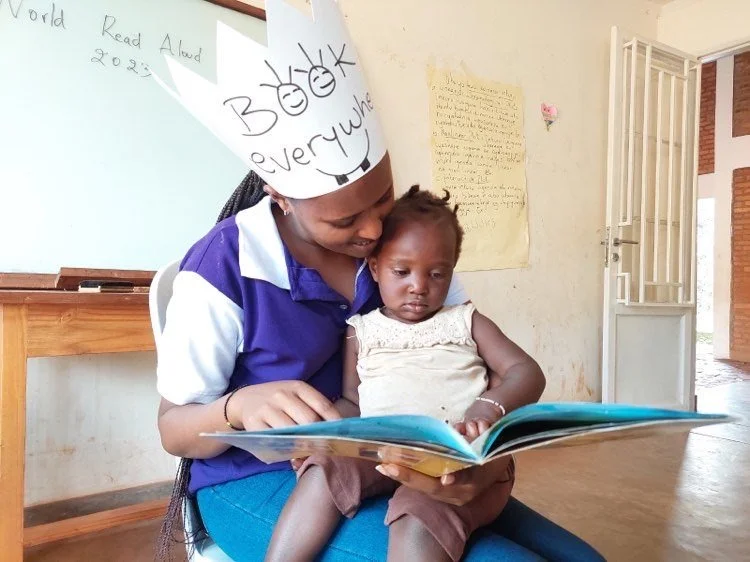
Founded by LitWorld in 2010, World Read Aloud Day (WRAD) is a global movement that celebrates the power of reading aloud to create connection, belonging, and opportunities for learning.
Every year, millions of readers around the world gather to share stories, amplify diverse voices, and advocate for every person's right to read, write, and tell their story.
Through LitWorld U, you will have the chance to be a literacy ambassador for WRAD by planning and facilitating meaningful read aloud experiences on your campus and in the surrounding community.
At its heart, the Read Aloud Pathway asks:
What happens when we intentionally create spaces where every voice is heard through the shared experience of reading aloud?
What You’ll Do
As a LitWorld U student, you will conduct a small-scale inquiry (questions below) connected to a community-based literacy experience, using principles and guidelines from World Read Aloud Day. The specific details of your inquiry will be based on conversations with your university faculty, as well as site-specific mentors. Below are some options recommended by LitWorld:
Option A: Global Read Aloud Celebration
LitWorld U students will join LitWorld's global World Read Aloud Day celebration and partner with a local school, library, senior center, after-school program, or community organization.
With this option, some activities you may conduct include hosting a community reading event, recording a virtual read aloud, participating in global WRAD activities, creating multilingual reading experiences, and organizing campus-wide literacy celebrations.
Option B: Community Read Aloud
LitWorld students will partner with elementary schools, libraries, after-school programs, community centers, or early childhood programs to conduct community read-alouds, with the purpose of creating community around reading aloud. LitWorld students will select high-quality children’s literature, facilitate interactive read-alouds, and lead a simple literacy activity following the reading.
Option C: Campus Read Aloud
LitWorld students will organize a read-aloud event for classmates at their college or university. Some ideas for this event include a Faculty Favorite Book Read Aloud, a Student Story Hour, a Read Aloud Marathon, a Diverse Voices Reading Circle, a Banned Books Read Aloud, or a Children’s Literature Showcase.
7 Strengths Inquiry Questions
See the below list of questions on which to conduct your small-scale inquiry project, or choose your own after consulting with your professor.
Belonging
How does reading aloud help create communities where every voice matters?
How does sharing stories aloud foster a sense of belonging among readers and listeners?
In what ways can books help individuals feel seen, valued, and represented?
How can read aloud experiences build inclusive learning communities?
Curiosity
How do books inspire us to ask questions and explore new perspectives?
How does reading aloud spark curiosity about the world and one another?
What kinds of conversations emerge from shared reading experiences?
How can thoughtfully chosen books encourage learners to think critically and ask meaningful questions?
Friendship
How does reading together strengthen relationships?
How does reading aloud create opportunities for connection across ages and backgrounds?
What role does shared reading play in building trust and understanding?
How can books become a bridge between individuals and communities?
Kindness
How can stories help us better understand and care for others?
How do read aloud experiences encourage empathy and compassion?
In what ways can literature help us recognize perspectives different from our own?
How can selecting and sharing books become an act of kindness and inclusion?
Confidence
How does reading aloud help people discover and strengthen their voices?
How does participating in read aloud experiences build confidence in readers and speakers?
What role does reading aloud play in developing communication and self-expression?
How can positive literacy experiences help learners see themselves as capable readers and storytellers?
Courage
How can stories inspire us to speak up, take action, and imagine new possibilities?
How do books encourage readers to explore challenging ideas or difficult conversations?
What role does courage play in choosing books that reflect diverse voices and experiences?
How can reading aloud empower individuals to become literacy advocates in their communities?
Hope
How do stories help us imagine a brighter future?
How does reading aloud inspire hope, possibility, and optimism?
What kinds of books help readers envision positive change for themselves and their communities?
How can World Read Aloud Day contribute to a future where every child experiences the joy and power of reading?
Reflection and Deliverable
Reflection
Students submit a written or multimedia reflection addressing:
What did I observe about participants during the read aloud?
How did reading aloud create opportunities for learning or connection?
How did this experience shape my understanding of literacy?
What connections emerged between my experience and my inquiry question?
What role do I see myself playing as a literacy advocate?
Artifact
Students create one artifact documenting their experience:
Read Aloud Lesson Plan
Event Reflection
Book Guide
Video Reflection
Literacy Advocacy Proposal
Community Resource Guide
Photo Essay
Campus WRAD Campaign
Suggested Reading List
See the below list for recommended reading for this pathway. Looking for tips on how to read aloud? Check out the Best Practices page for an article on Reading Aloud 101.
LitWorld and the 7 Strengths
Every Child a Super Reader by Pam Allyn and Ernest Morrell
Foundations of Storytelling and Identity
The Stories We Live By by Dan P. McAdams
The Call of Stories by Robert Coles
The Power and Impact of Writing
Tell Your Story: Teaching Students to Become World Changing Thinkers and Writers
Intergenerational Learning and Relationships
The Third Chapter by Sarah Lawrence Lightfoot
Tuesdays with Morrie by Mitch Albom
Wilfrid Gordon McDonald Partridge by Mem Fox.
The Children by David Halberstam
Abuela by Arthur Dorros
Fry Bread by Kevin Noble Maillard
Memory, Community, and Oral History
The Oral History Reader by Robert Parks and Alistair Thompson
StoryCorps selected interviews and resources
Resilience and Meaning-Making
Man's Search for Meaning by Viktor E Frankl
What Happened to You? by Oprah Winfrey and Bruce D. Perry